
Interview feature · Published 2026-11-20
Justin and Stacy: making time to give
Their dream house had become a place between shifts and chores. On the road, Justin and Stacy wanted time for outdoor life—and for helping other people.
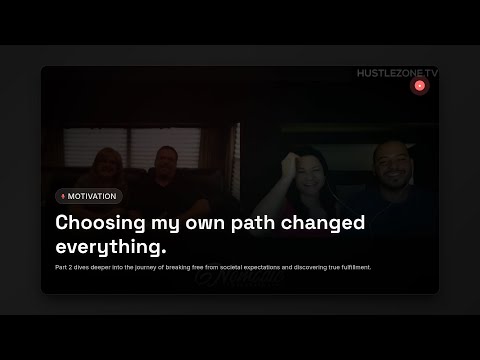
After years of moves connected to military life, Justin and Stacy had expected their house to be the place they stayed. Then their children left home, and the routine around that house began to feel different. They describe workdays followed by dinner decisions and sleep, with weekends filled by chores. One loss bothered them in particular: they no longer seemed to have time to give to other people.
Interview transcript: 00:01:47, 00:02:21, 00:02:56, 00:03:30, 00:08:37A holiday in July 2016 brought the contrast into focus. Travelling together, they found themselves enjoying the experience more than the home they had worked to establish. They also heard stories of people who had postponed travel until retirement and then could not do it. Their decision to travel was shaped by those accounts and by the possibility of using their time differently while they could.
Interview transcript: 00:04:04, 00:04:40, 00:05:14, 00:05:49By the interview, that intention had led them to Texas, where they said they had signed up to help with hurricane recovery through an RV volunteer organization. They described assisting with volunteer coordination and expecting to help organize donated toys for children. The toy work was still prospective in the conversation. What was already clear was the change they wanted: although they could give less money than before, they had time and energy to offer directly.
Interview transcript: 00:11:28, 00:12:05, 00:13:47, 00:14:21The travelling itself depended on leaving room for adjustment. Justin explains that they kept travel days relatively short and considered more than one possible place to stay. He recalls setting up at one site, visiting their alternative beside a lake, and deciding to move there instead. A backup plan was not always a sign that the first choice had failed; sometimes it revealed a place they preferred. Arriving with time to spare made that kind of change easier.
Interview transcript: 00:18:54, 00:19:29, 00:20:06, 00:20:42Their equipment decisions followed the life they wanted to lead. Stacy wanted to remain in contact with their children and keep some familiar daily comforts. Justin describes adding batteries, an inverter, and solar panels so they could spend more time away from campground hookups. The interview gives an account of their own setup rather than a technical prescription for another rig. The intended result was more access to the surroundings they enjoyed hiking and kayaking in.
Interview transcript: 00:22:29, 00:23:04, 00:23:38, 00:24:13, 00:24:49They called the project Opting Out of Normal, but their story is full of ordinary needs: contact with family, a manageable travel day, a place to park, and something useful to do for someone else. The change was in how those needs were arranged. Time that had disappeared into a repetitive work-and-house routine could now be directed toward experiences and service they had struggled to fit in.
Interview transcript: 00:00:40, 00:03:30, 00:07:31, 00:14:21, 00:22:29Opting Out of Normal Part 2: Break Free and Find Real Fulfillment
Nomadic Entrepreneurs · Episode 31
Watch original on YouTube ↗ · Episode metadata and recorded connections