
Hustle Zone
Hustle Zone is Ryan Perez's blog and podcast. Every story is a carousel you can read slide by slide, backed by sources.
Hustle Zone is Ryan Perez's blog and podcast. Every story is a carousel you can read slide by slide, backed by sources.

A Calgary entertainer explains why interviewing, hosting, and commentary became a larger part of his work—and why sounding different still matters to him.

The Young Gun Motivation interview captures an eighteen-year-old preparing a venture—and a host asking what distinguishes borrowed motivation from action.

In his Go Live and Prosper interview, William Hung describes moving through performance, stable employment, and public speaking—and learning to make a personal story useful to an audience.

During a public broadcast test, Kamari Ellis traces his approach to financial conversations back to his father’s office, a detour into technology, and a concern about what sales pitches leave out.

A growing computer-repair business forced Joshua to choose among competing commitments. Years later, that decision still shapes his account of leadership and success.

A discussion of Black Friday turns into a conversation about the stories marketers tell, the research people stop too soon, and the reasons for building a business.

Returning to Twila’s show, Clarissa brings a discussion of intimacy back to trust, mutual respect, and conversations that happen before a conflict.

The Vancouver Island duo describes how an early recording became a working partnership, and why the live show matters as much to them as the songs.

Tony’s stage name sets a deliberately modest expectation. His conversation with Monica is about the less modest amount of work behind it: writing, recording, organizing shows, and finding a reason to continue.
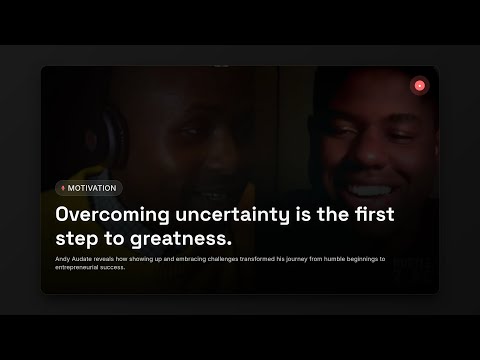
Watching a mentor pay employees made business visible to Andy Audate. Having employees of his own gave that lesson a more difficult meaning.

A trip with carry-on bags changed how they saw their house. Living in an RV then taught Kelly and Rob that deciding what to keep was more personal than a simple rule about less stuff.

From a clock in his grandfather’s shop to a voice-coaching exercise with his wife, Ricardo McCrae describes work that depends on understanding how the parts relate.

Living in an RV had already changed Kim’s daily life before she began travelling. Her interview connects downsizing with photography, teaching, and a wish to use time differently.

A conversation about crowdfunding becomes more revealing when Adams describes the product that did not pay him back and the financing plan that fell apart.

A natural vocal pitch, months spent on lyrics, and a video assembled from listeners’ signs reveal how Jared Dylan moves between making music privately and sharing it with other people.

Frank Sagasta remembers the adults who drew him toward sport and stayed in his life. His interview traces how receiving that attention shaped the work he later wanted to do with young people.

An electrical contractor looks back on leaving employment, building his own team, and later finding a different perspective on an old disagreement.

Dance, early writing, background acting, and self-promotion form Janine Marie’s account of building an artistic career. The interview also asks what it takes to be heard as a businesswoman.
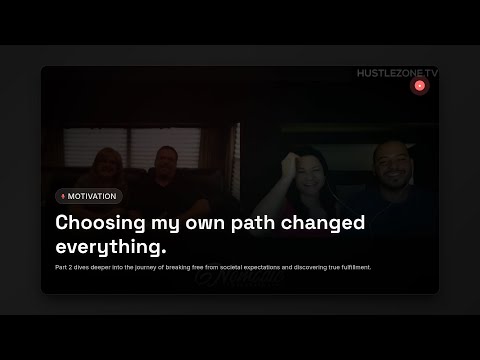
Their dream house had become a place between shifts and chores. On the road, Justin and Stacy wanted time for outdoor life—and for helping other people.
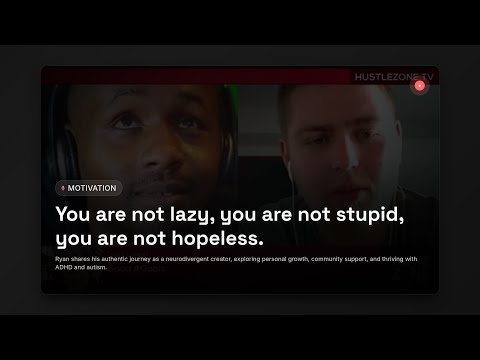
After leaving active security work, Dave turned toward writing and a youth-focused online community. His interview also makes room for the job and family support behind that work.

Water damage forced a renovation. Rebecca’s interview reveals the practical choices behind an RV that also serves as a home, an office, and a base for creative work.

Luke’s account of music keeps returning to people: his child, the community at a show, and the friends whose work makes a performance possible.

A photographer and a broadcaster compare their public ways of speaking with quieter parts of themselves, in a personal conversation about expression and being understood.

A weekend RV trip showed Sandra and Luis that work could travel with them. The more difficult lesson came when the income supporting that freedom began to falter.

Behind the Monster Motivator’s constant online activity is a division of labor—and a speaker who says other people do not need to work exactly as he does.

A high-school performance, years of finding somewhere to rap, and the music playing at home shape Kay L’s account of becoming an artist.

With Mona Lisa hosting and Ryan Perez answering, an interview about art and self-expression becomes a specific conversation about notes, reminders, and support.

Leaving corporate jobs was only the beginning. In this conversation, Bryce and Camille describe the uncertain work of funding life on the road—and why their route need not be everyone else’s.

Asked to explain an impressive résumé, Tony talks about teachers, mentors, and the people who helped him find the next job. Later, he describes needing to turn some attention toward himself.

Maya Gobara’s interview with Twila separates a public image of dominance from her account of mentoring, communication, and personal boundaries.

In a guest discussion with Twila, Simran describes what she has learned about agreements, friendships, and privacy in her own experience of non-monogamous relationships.

A painted surfboard and a vanished mural open a conversation about what an artist can leave behind, and what it takes to keep a record of the work.

Two months into RV life with six children, the Browns discuss unfinished repairs, close quarters, and learning that going somewhere new can also mean slowing down.

Preparing to work with an assistant brings Pierre back to a lesson learned on the basketball court: personal ability is not enough to make a team work.

Working in a law firm helped Natasha B Russell discover that she did not want to be a lawyer. Her interview follows the choices that led toward communications, coaching, and a less punishing idea of achievement.

A sourcing trip he had to figure out as he went and an exam he had to take three times reveal two different kinds of learning in Abdul Muhammad’s business story.

Replacing walls and floors was not the RV dream Liz had imagined. Talking about what went wrong helped her find a different project: a place where people already living that life could laugh together.

A career interruption changed how Leah thought about ownership. Her interview follows the effort to build a business without losing sight of the life around it.

A slow period in a property business led Joshua Therrian to ask whether helping children had to wait. His interview connects that question with the relatives who once took him in.

Before describing commercial construction finance, Watson describes a schedule: early-morning Uber work, then phone calls and study for the business he was trying to build.

A large order brought more than sales. Paul Walhus recalls the support, financing, and business knowledge needed to turn technical ability into a livelihood.

A childhood website gives Christian a concrete way to explain his creative work: notice what frustrates someone, then make something they can use.

An interview about Education Solutions Canada connects the founder’s own route through university with a proposed way to simplify applications—and makes the host’s role in building it explicit.

A hair video and a reluctant workout post helped Denise Gordon find an audience. Her conversation with Ryan explores the longer struggle to believe she had something to say.

A job search led to radio. A friend’s gift helped Cari give her own project a name and a visible beginning.

A child asking office workers about their favorite snacks brings Martin Matthews’s larger conversation about family, learning, and responsibility down to a human scale.

In a return visit to Peasant Sex and Relationships, Kay discusses astrology as a language for self-reflection while the hosts ask how to describe what they want.

Jamie Lynn describes learning to share encouragement through short videos and books, while resisting the idea that everyone needs the same routine or an already-finished story.

In a conversation with a longtime friend, Ashley describes changing her work, accepting support, and learning that enthusiasm also needs limits.

LaStar’s interview follows a return to athletic ambition through skating and cycling, with Olympic participation still a goal ahead of her.

On a return visit to Hustlezone, Jesse brings a family dream board into the conversation—and distinguishes what has happened from what they still hope to do.

A hospital waiting period became the beginning of a radio project. Raven’s account follows the research, invitations, and business decisions behind her interviews.

An 81-page book, a first open mic, and a career in social work reveal how T Barb thinks about reaching people who might otherwise feel overlooked.

A failed delivery venture and a later return to learning complicate the easy version of an entrepreneurial success story.

A broken car brought Scott into dealership work. His interview explores the repeated practice, customer relationships, and colleague support behind a calm sales style.

Danny Redwine’s interview follows a homemade seat-belt cushion into prototyping, funding constraints, and the work of continuing. Comedy offers another place to begin.

Matt Marinov describes the route from operating trains to running a property-services business, and the people and systems he says make that work possible.
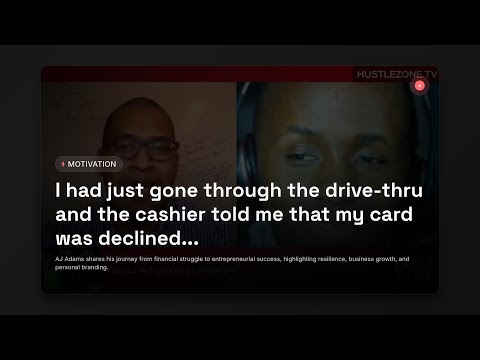
AJ learned branding to get his own speaking work seen. His wife and other entrepreneurs helped him recognize it as a service he could build a business around.

A difficult experience flying their dog led to an RV, a different home base, and a way of travelling built around hospitality.

Wine, live video, and a women’s virtual summit gave Jen Nelson ways to build a working life beyond the federal-office cubicle. Independence did not remove her need for security.

Seasonal jobs pushed David Williams to look for work he could build himself. A Facebook post, a blog, and encouragement from a friend gave him somewhere to begin.

Before audience growth became a number to chase, the creator of MasterTalk found something useful in the people already listening.

A conversation game began with index cards and a spreadsheet. Rachel Rosen describes the feedback, revisions, and production costs behind Spark for Humanity.

A difficult first day selling lawn services became part of a much longer education in sales, teaching, and the pressure to look successful.

In her Hustle Zone interview, the founder of The Comfort Killers describes why persistence sometimes meant changing the work she was trying to do.

A school calypso contest and an accidental DJ booking lead into a conversation about learning music, supporting other artists, and doing the work before promoting it.

A conversation with Monica Black Diamond moves from an early fascination with English to a question about artistic readiness: what would you have to share if attention arrived?

Speaking from a maker space, Mark Proffitt uses saws, clamps, and manufacturing choices to explain how he approaches a problem. This feature follows that problem-solving thread within a historical topical interview.
Jerry Jones connects fatherhood, a Navy career, and a clothing project through the roles he chooses to take on—and the people he wants to help.

For Audrey, burlesque includes the hours spent painting scenery and making costumes. Her interview with Monica follows the work that makes a performance possible.

A church choir gave him somewhere to begin. In this interview, Adrian Truth describes the longer work of turning a voice into a practice, a network, and an artistic point of view.